Blog
Acrylic yarn and wool are two common textile raw materials. They have different characteristics and uses in textile materials. So what are their differences and how to distinguish them?
Differences between acrylic and wool
Difference in raw materials
- Acrylic yarn is made of acrylonitrile polymerization. Acrylic is a synthetic fiber with the characteristics of wear resistance, corrosion resistance, and good elasticity. It looks and feels like wool, and is often used as a substitute for wool or blended with wool. It is also called "synthetic wool" or "artificial wool".
- Wool is the hair on animals, generally made of sheep's hair, with good warmth retention, softness and comfort, and is often used to make sweaters, scarves, hats, etc.
Difference in performance
- Acrylic yarn has good elasticity and wear resistance, and has excellent wrinkle resistance and washability, and is not easy to deform. However, acrylic yarn also has certain disadvantages, such as easy static electricity and more hair balls.
- Wool has good warmth retention and moisture absorption, soft and skin-friendly characteristics, but it is easy to pilling and deformation.
Difference in use
- Acrylic yarn is suitable for fields that require high strength and durability due to its wear resistance and good elasticity. It is suitable for making textiles in high temperature environments, such as industrial fabrics and furnace work clothes.
- Wool is mostly used to make winter clothing, such as sweaters, scarves, hats, etc., because it is warm, soft and comfortable, making it suitable for wearing in cold seasons.
How to distinguish acrylic and wool?
Visual inspection and hand touch
- Acrylic Yarn: The fiber looks regular and curled, with strong reflectivity; it feels light
- Wool: The fiber is longer and the curls are naturally irregular; it feels thicker and warmer.
这是示例文本,单击 “编辑” 按钮更改此文本。
Ignition and combustion to see the effect
- Acrylic Yarn: It softens, shrinks, and melts when it encounters fire, and then burns slowly. The flame is yellow-white and has a burnt plastic smell. It can continue to burn but slowly when it leaves the fire. The ashes are irregular brown lumps or small black hard balls.
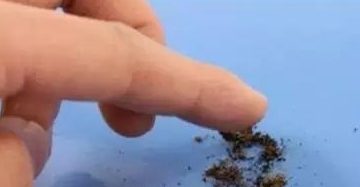
- Wool: It curls and smokes when it encounters fire, and then bubbles and burns. The flame is orange-yellow and has a smell of burning hair. It stops burning when it leaves the fire. The ashes are irregular or spherical, shiny black-brown brittle pieces, and the ashes are easily broken into powder.
Ashes of burning wool
Ashes of burning acrylic yarn
In general, acrylic yarn and wool each have their own advantages and disadvantages, and can be selected according to specific usage needs and occasions.
If you want to wholesale yarn, please contact us, our factory will provide you with professional wholesale yarn services.